A season of light, community and celebration
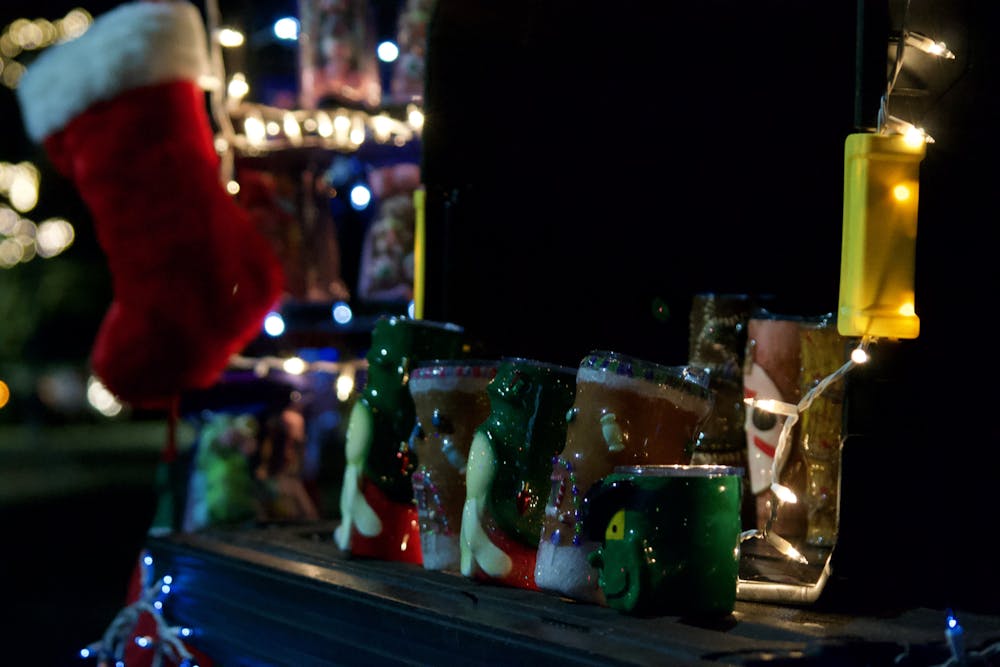
Christmas-themed cups on display at a vendor's booth in the Winter Market during the Christmas Celebration on Friday, Dec. 6, in downtown Mount Pleasant. The marketplace featured local artisans, holiday treats and local food vendors. (CM-Life | Soli Gordon)
As the Michigan winter frost creeps in and dorm windows glow with twinkle lights, campus life shifts. It’s not just Christmas on the calendar: from menorahs to Yule logs to Kwanzaa kinara candles, a mosaic of traditions fills the chilly months. Central Michigan University students of all backgrounds gather, celebrate and connect, marking the darkest nights with warmth, food, music and light.
This holiday season is about many things, history, ritual, comfort and the small moments of belonging that help carry students through the cold. On campus, those celebrations reflect a wide range of cultures and traditions, each illuminating winter in its own way.
History
Long before kisses under the mistletoe and stockings hung by the chimney fire, people marked the season with rituals and celebrations that honored the turning of the year. The Winter Solstice, the shortest day and longest night of the year, has inspired festivals across centuries.
CMU religion professor Laurel Zwissler said communities have long looked to the Winter Solstice as a way to understand and cope with the season’s darkness.
For some, that turning toward the return of sunlight after the darkest point of the year evolved into the festival of Yule. Celebrated by early Germanic and Norse peoples, Yule centered on honoring nature’s cycles during the Winter Solstice, the moment when daylight slowly begins to increase again. Zwissler said this seasonal shift has long inspired rituals focused on light, warmth and gathering, which helped people endure the coldest and most isolating part of winter.
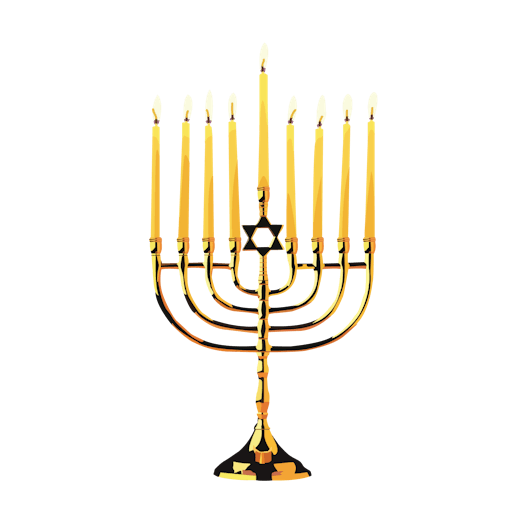
Others, like Jewish communities, observe Hanukkah, an eight-day “Festival of Lights,” commemorating a miracle from the second century B.C.E.: oil meant for one night burned for eight.
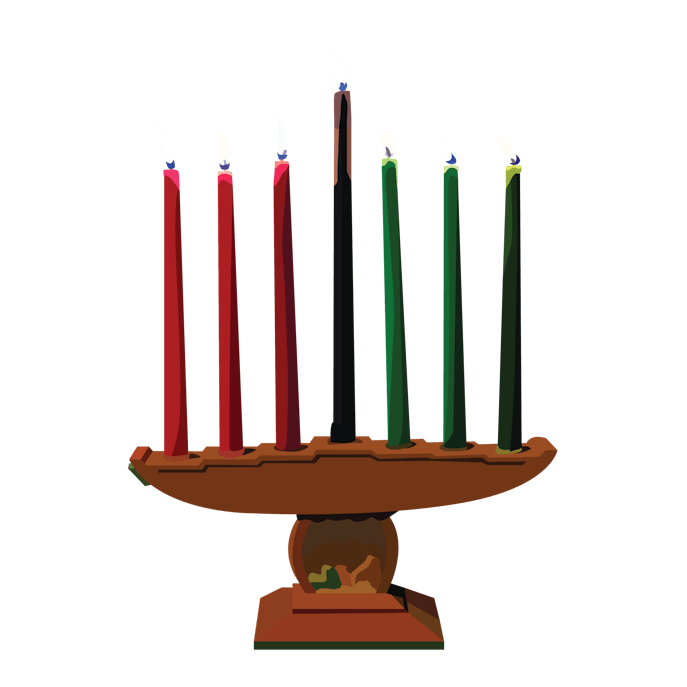
More recent additions reflect evolving cultures. Kwanzaa, founded in 1966, was designed to celebrate African-American heritage, unity and collective healing during December’s darker days.
Even major holidays like Christmas, traditionally celebrating the birth of Jesus, share timing with these ancient seasonal observances, a testimony to how winter’s darkness and the promise of light have always drawn people together.
Traditions: light, warmth and shared space
Today, those same impulses shape how communities celebrate, something Zwissler sees across many winter traditions.
“Human beings like to place themselves cosmologically in the flow of the seasons,” Zwissler said, summing up a universal holiday impulse. “It’s dark and it’s cold. It’s a nice time of year to emphasize light and warmth and community.”
Wesley at CMU is a Christian community on campus. Director and Pastor Audra Stone said their celebrations, part of the “Crowded Table Dinner Church” series, combine meals, music, poetry and reflection to honor community, generosity and belonging.
“These holidays are opportunities to reflect on what it means to be in loving and mutual relationship with others, Earth and God,” she said.
For others, it might mean lighting a menorah, burning a yule log or gathering for a kinara-candle lighting. The common thread? Light, togetherness and a sense that as days grow darker outside, inside we keep the fires of community burning.
Food and comfort feasts
When it’s cold outside, comfort food and hot cocoa warm more than bodies; they warm souls. Many holiday traditions deliver delicious rituals: potato latkes and jelly doughnuts for Hanukkah, eggnog and Christmas cookies in decorated kitchens, shared dinner tables during Kwanzaa often featuring dishes like black-eyed peas, collard greens, rice, yams or soul-food-style stews and seasonal pies or hearty meals for other holiday celebrations.
Pastor Stone said that their Wesley gatherings offer “home-cooked food, student-led music and art, and plenty of time to connect as a community.” For many students, it’s that warm cup and shared meal that feels like home away from home.
In a time when winter can feel isolating, food becomes a simple, powerful act of care, a reminder that cold nights and heavy snow need not mean empty plates or empty hearts.
Music, art and expression
Sound plays an important role in how people celebrate. Whether it’s the familiar melodies of Hanukkah, the harmonies of Christmas carols, the drumbeats of Kwanzaa or folk songs sung at solstice gatherings, music helps ground people in tradition and community.
The holidays also allow so many traditions to co-exist: someone lighting a menorah next to a person sipping hot cider after a yule-log reading; another quietly reflecting on family or identity while others sing carols.
Activities and campus life
At CMU this year, students don’t have to go home to find a holiday celebration. As Zwissler said, in a campus with many traditions, it’s helpful to think of this season not as dedicated to one holiday, but as “a season of a variety of celebrations.”
For many, especially those far from home or family, that’s an impactful part of their holiday experience: shared meals, warm lights, laughter, music and community in the shuffle between classes and finals.


