MDHHS reports highlights runaway girls at understaffed youth center
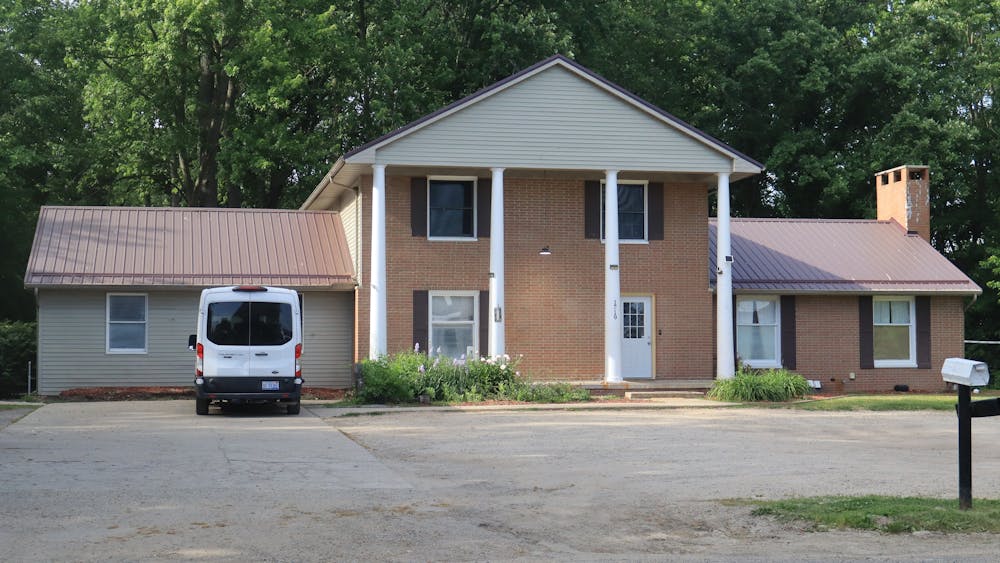
The New Hope Youth Center in Mount Pleasant Michigan on June 4, 2026.
A week of protests about the New Hope Youth Center occurred from May 31 through June 6. Protest organizer Lilian Cassidy said the purpose was to raise awareness of the mistreatment and abuse towards youths.
These protests started after 46 runaway reports and from the center, Michigan State Police and Cassidy said. These runaways sparked protests alongside concerns on social media platforms.
The New Hope Youth Center has had 23 more reports about runaway youths since the protests started.
She added that the girls are not getting the care they deserve or the help some of them need. Cassidy said the youths don’t have anywhere else to go.
“If the allegations are true, we want there to be change,” Cassidy said. “We want the kids to realize that we are there for them.”
Investigation reports through the Michigan Department of Health and Human Services (MDHHS) show the facility is understaffed, which resulted in the use of police resources to help with the runaway youths.
The New Hope Youth Center is a residential trauma and treatment facility for girls ages 10 to 17 who are victims of abuse and/or neglect, according to its website.
The center’s goal is to set up the youth for their transition to the next stage of life following their time at the facility or when they turn 18.
Programs at the center include educational services, therapy, social and life skills training, mental health treatment and more.
The maximum capacity of the center is 15 girls and there should be a maintained ratio of one staff per three youth.
According to investigation reports from the MDHHS, several reports show a variety of accusations at the center.
There is a mixture of true and false reports, such as six violations for a lack of staff to take care of the residents and five false allegations of staff violence so far this year, according to the MDHHS.
In a report filed on May 29, a youth went AWOL on April 27. The report stated that the youth called the facility on a stranger’s phone, so she could be picked up six hours after she went AWOL. Law enforcement picked her up because the staff were unable to.
In the report, the youth that went AWOL said the girls at the center run away for many reasons, such as boredom, wanting to go for a walk or just to not be at the facility.
Two staff from the report both said they could not leave the facility to watch over the seven youths at the facility.
At the facility, the youth are allowed to go on a 15-minute walk, but often don’t return, according to the report. If the youth don’t return between 15 minutes to 2.5 hours, law enforcement is contacted by the staff.
“The facility is found in non-compliance as per youth and staff interviews and documentation review, the facility is lacking sufficient staffing and programing to decrease AWOLs and law enforcement involvement due to the youths’ behaviors,” according to the report analysis.
The facility was found non-compliant in a similar manner in a report from Aug. 7. The MDHHS concluded that the facility did not address the lack of staff to help with the reoccurring issues.
In the August report, one staff member said the facility is not short staffed. However, he said he spoke about having more staff on shifts due to some of the youth’s aggression becoming intense.
The MDHHS raised concerns about the increase in incidents at the house in several reports. The more incidents’ staff attend to, the less supervision other youth get.
Another staff member from the report said the facility is properly staffed, but it is normal for one of them to watch over more than three girls.
According to a June 12 report, multiple Michigan State Police body cameras were reviewed. This was one of several reports that detailed how police stopped in and used their resources for the understaffed facility.
An email from an unnamed officer in that June report said that the MSP have expended more than 150 hours (as of May when the report was filed) to issues related to New Hope.
State Police Sgt. Casey LaLone said officers would often go to the center from one to six times a day.
He said in April, there was a spike in runaway girls from the center that ended in July.
“Now that they got the four problem children out of there, we don’t have the problems,” LaLone said.
Isabella County Sheriff Michael Main said officers typically go to the center for runaway girls, fighting or in response to mental health crises. However, the frequency of runaways takes officers from other incidents.
“The home does what they can, but are very restricted based on state laws and regulations,” Main said. “Alongside the MDHHS says what they can or cannot do.”
Main said the troubled girls can’t just be transferred out because of limited resources and the court systems to make it happen.
When reached by phone, a worker at New Hope Youth Center said the organization had no comment.


