A Second Family
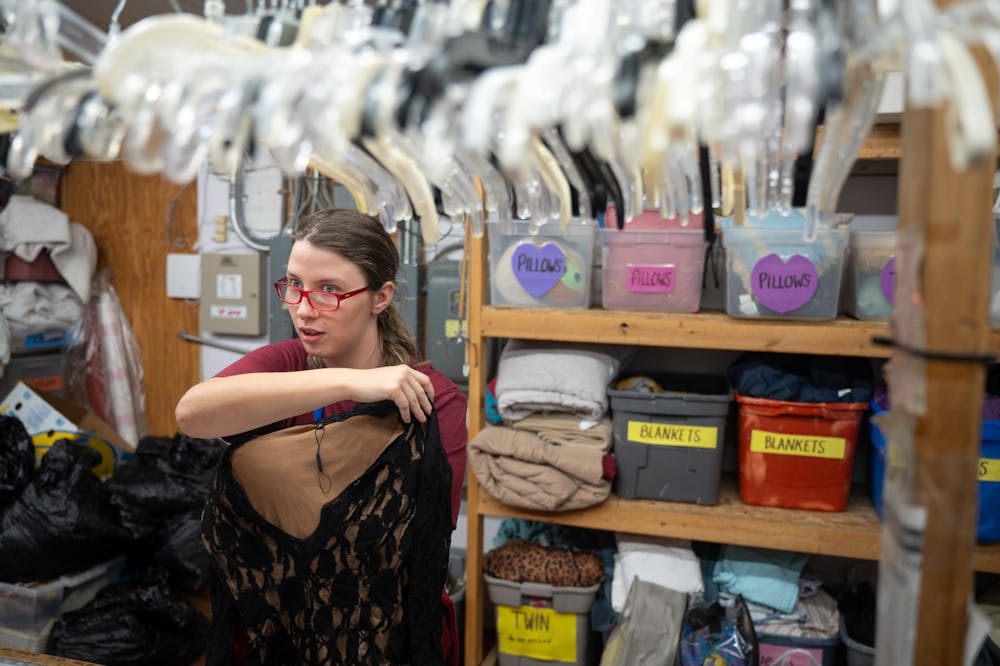
Zipping up a coat, baking a batch of brownies for the first time, opening a carton of milk without help — these are tasks that might seem mundane, but make up the many small daily victories for students with cognitive disabilities, like 22-year-old Breann Kibert, who are learning to make the transition from high school into adulthood.
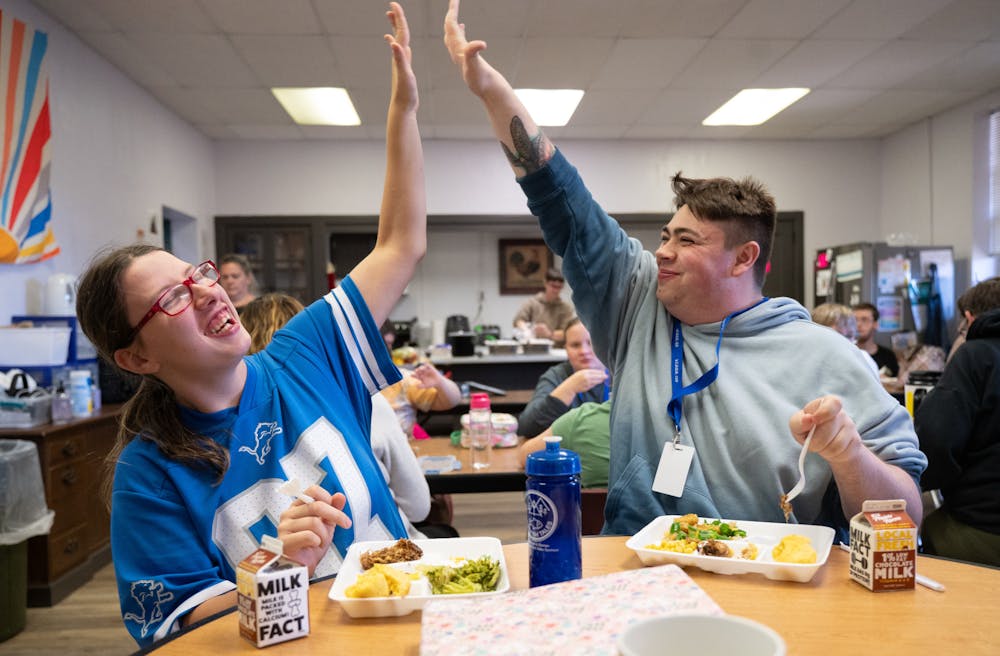
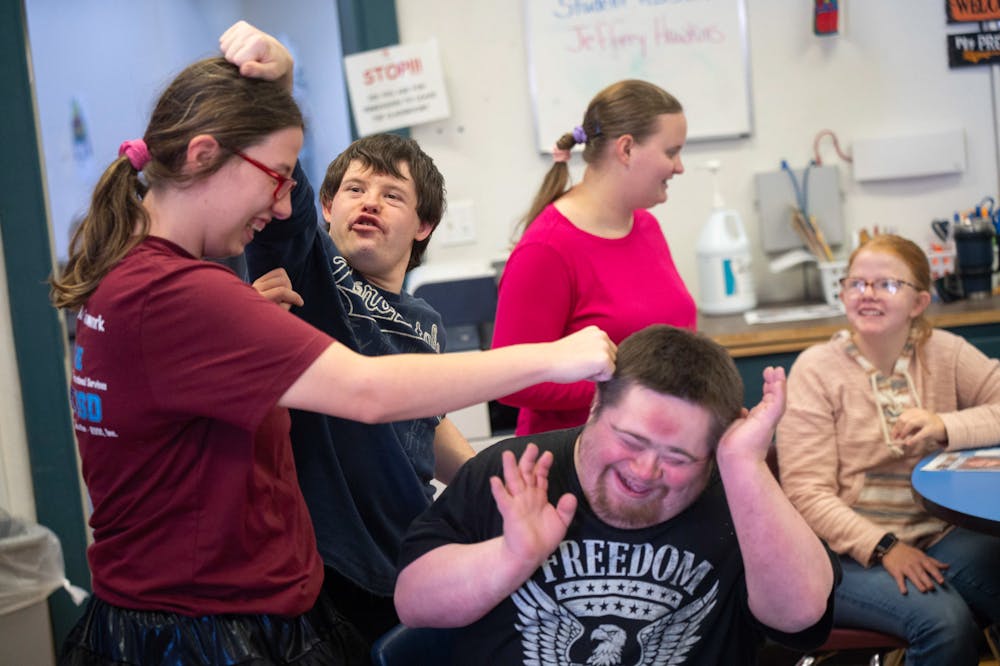
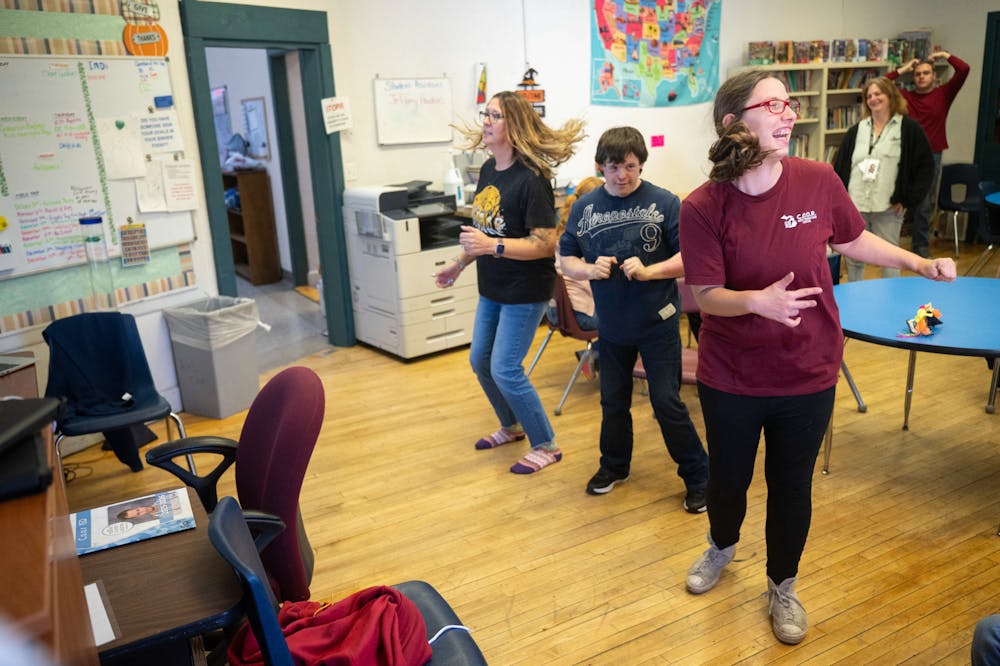
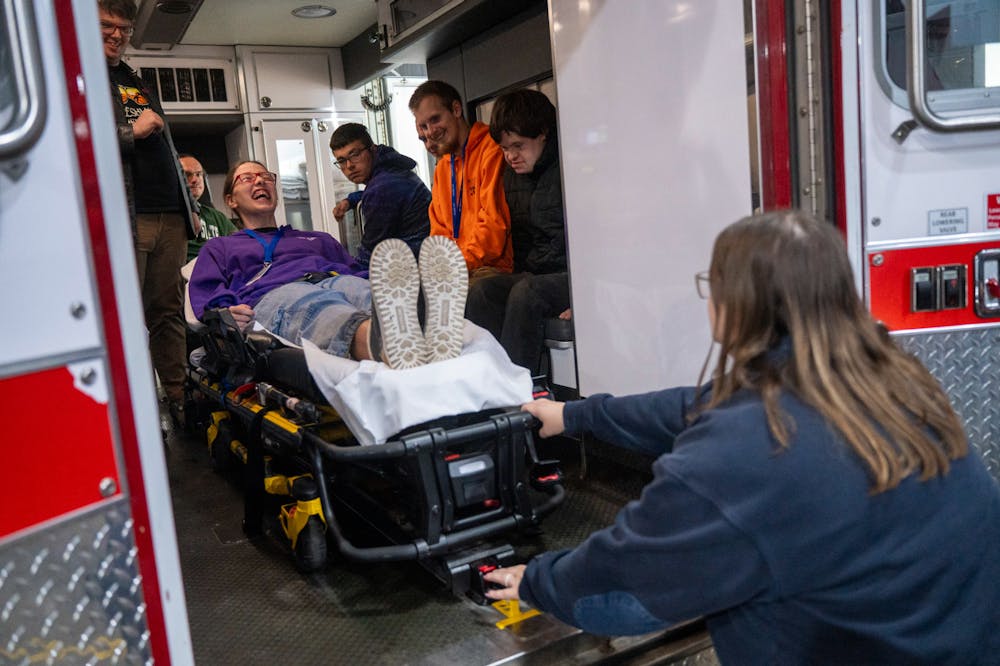
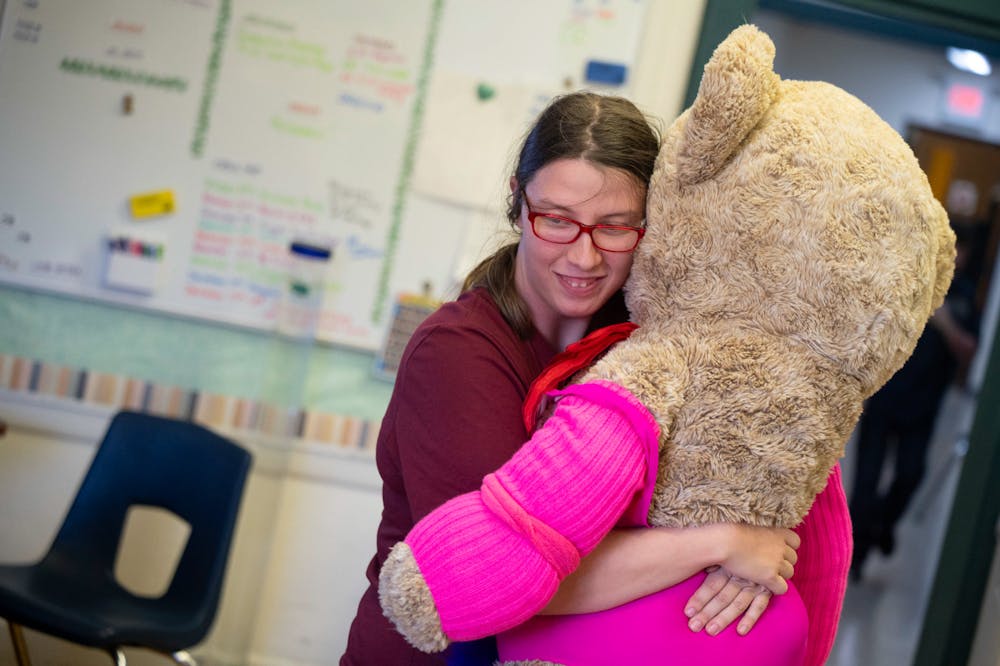
For Kibert, that journey is taking place at the adult transition program she attends at the C.O.O.R. (Crawford, Oscoda, Ogemaw, Roscommon) Educational Center in Roscommon, Michigan, where she’s found a second family. The program supports 18 to 26 year olds in developing social skills and job training before stepping into adult life.
“I love my classmates and my teacher and staff,” Kibert said.
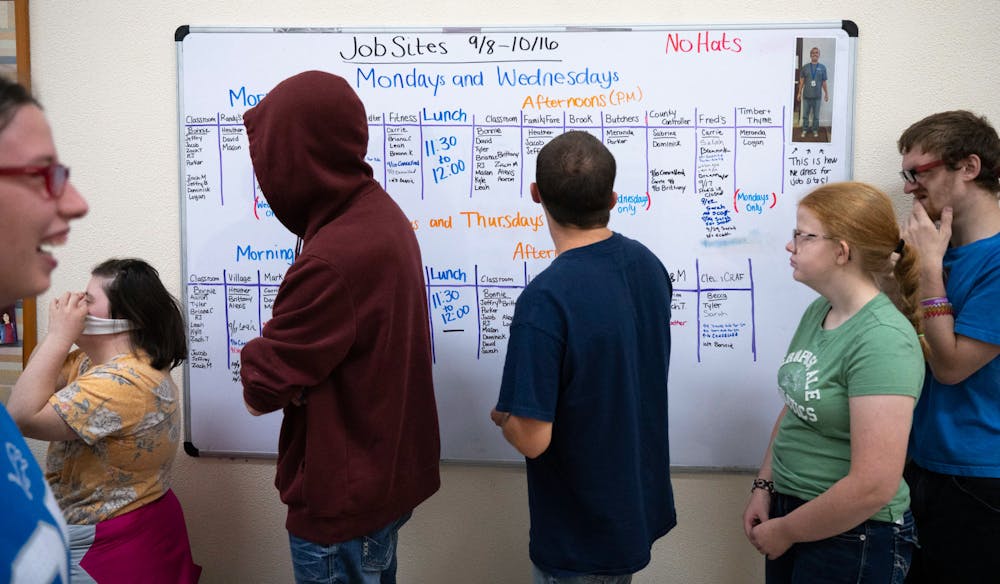
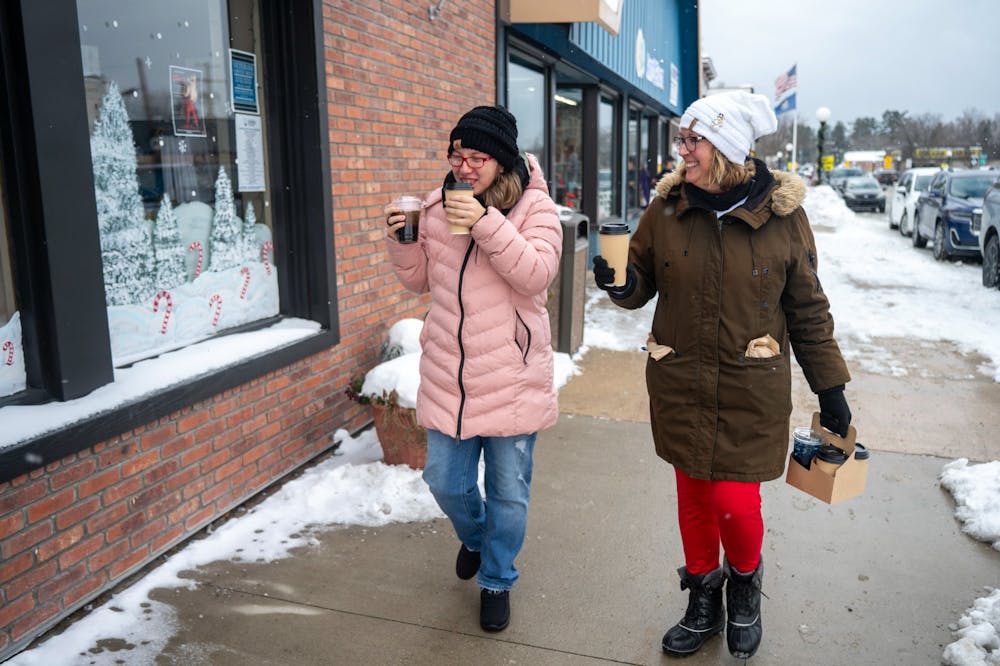
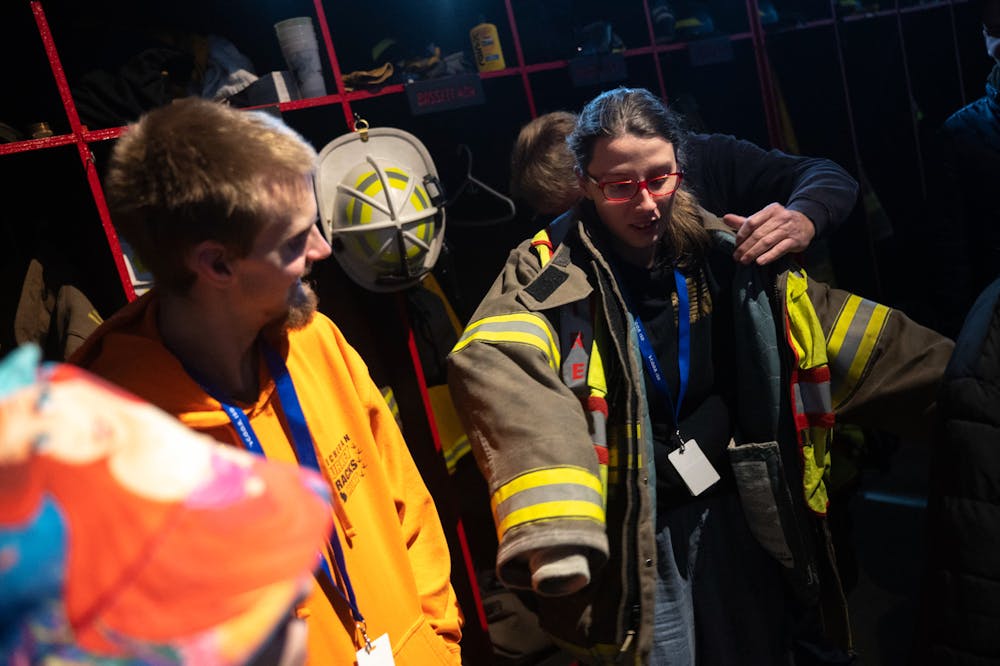
The program is based around helping students learn how to find their place in their community, with the end goal being that they will leave with the skills they need to live independently and work a job.
“I’m really big on the communication and social skills with them because they can’t be part of their community and be involved if they aren’t able to speak for themselves,” head teacher Angie Stern said.
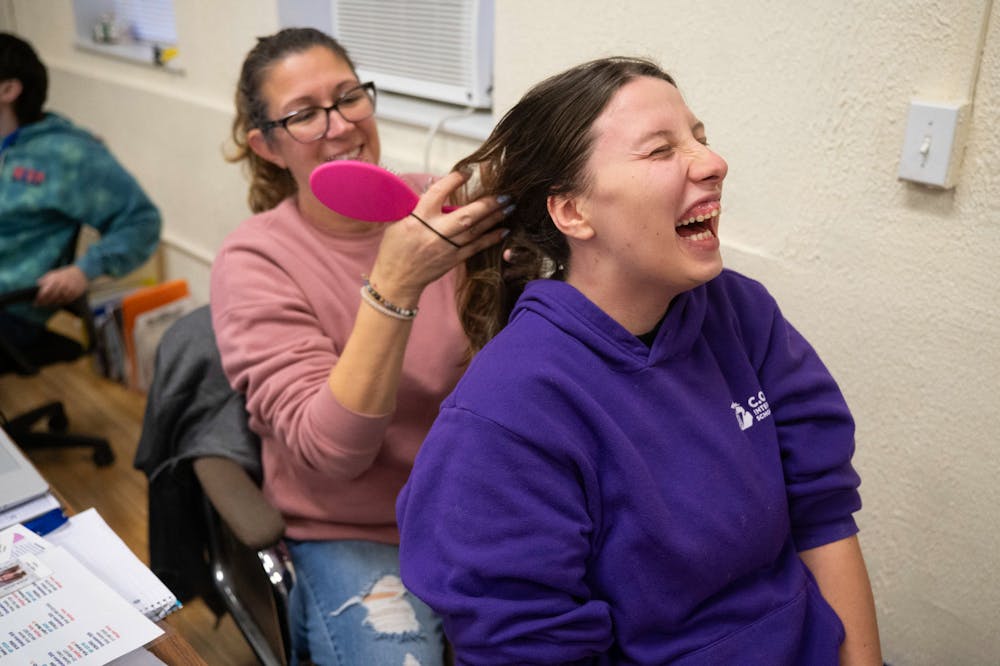
Over their three years of knowing each other, Stern and Kibert have developed a particularly close bond.
“She’s my girl,” Stern said. “I try not to say that when I’m at school, but she’s my girl… I just love her with all my heart. You can’t help but love Bre.”
Stern has watched Kibert — and many of her classmates — grow more confident and capable during their time in the adult transition program.
“There’s days I’ll just sit and look at them, and I’ll just smile because I’m just so proud of just everything that they do,” Stern said.