Sparks' summer stormchasing
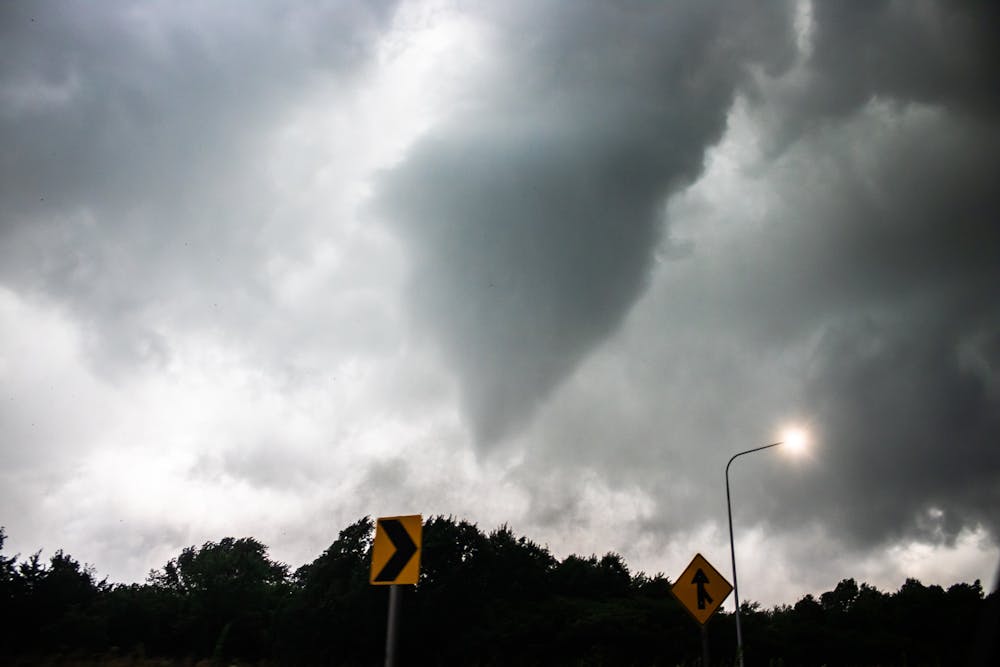
Thirteen minutes. That is the average time you have from the time a tornado warning is issued, to when a tornado could be destroying your home.
There is some advanced notice, such as forecasts posted by the National Weather Service (NWS) days in advance, watches posted a few hours from storm arrival and the news and social media coverage that comes with it.
There are some things during severe weather you just can’t know for certain looking at a radar.


I’m Trevor Sparks, and I am a storm chaser.
I developed a deep-rooted fear of severe thunderstorms at a young age. It took everything in me to not panic at every rumble of thunder during my childhood. I was so terrified, I taught myself how to read weather radars and warnings at eight, and then how to interpret weather models at 12.
In trying to help my storm anxiety, I found a hidden passion for storms I never knew was there.
Ground truth from a thunderstorm, or when people relay updates to an NWS office for real-time hazards and locations, is critical to warn the public in time of severe weather. Storm chasers are one of the key players in this role.
Storm chasing is one of the most thrilling, daring, exhausting and mentally challenging things I embark on every year. It is physically putting yourself in harm’s way to document and relay information to get the word out there about danger.
What does storm chasing look like? It starts by waiting. I look at computer models of potential conditions coming together for severe weather over a week in advance.
I map out routes and look at all the major highways in the region that will be affected. I find hotels, train tickets and inquire with my chasing buddies on the day so we can plan as a group.
Under three days out, you make your final forecasts and head out to where the weather takes you.
This is what I did numerous times this year, most notably, on June 17 in southern Illinois.
The night before, I took a train out of Michigan all the way to the far outskirts of Chicago to meet up with friends to chase a potential tornado outbreak. On three hours of sleep, we headed four hours south to Decatur, Illinois, our initial target area.
We hopped from storm-to-storm all day, where there were a few weak and brief tornadoes and some incredible storm structure, but nothing that the day had the potential to bring.
That was until late in the day, when we headed back west all the way from the Indiana state line towards a strengthening supercell thunderstorm approaching Effingham, Illinois.
With daylight waning, this was our last shot at seeing anything up close.
As we approached from the east, the storm produced a tornado. The tornado touched down north of Effingham and was moving southeast. We drove right towards it as it neared peak EF-3 intensity, with windspeeds of over 150mph.
My friends and I intercepted the tornado from less than a half mile away. Our car was being hit with debris and trees around us ripped out of the ground as it crossed the highway. We filmed and watched as the tornado destroyed property as it moved away from us.
It was the most adrenaline-inducing and intense feeling I have ever felt in my life.
As a storm chaser, it is my priority to be a first responder after a violent tornado. I am CPR and first-aid trained, and that almost had to come into play that day. We were ready to go into the destroyed homes in businesses to rescue people. By the time we arrived, EMS and firefighters were already on the scene.
The video I shot got relayed to the local NWS office and other media outlets, and the storm remained severe for hours after as it pushed southeast.
The adrenaline of something like that does not fade easily. Even after a four hour car ride back into Chicago, I couldn’t sleep. I stayed up for 38 hours straight.
Basking in the adrenaline will get you killed. Daring to do this requires you to not be stupid.
Storm chasing requires years of experience, training and development of critical skills.
It is building connections and understanding fundamental weather mechanics in order to make the right decisions on a dangerous day. Without training, you are in danger when storm chasing, and shouldn’t chase at all.
Storm chasing is not always this glamorous and intense. There are days where conditions are favorable for a tornado outbreak - and it's just clear blue skies. There are days you can’t eat because you are driving to a target area, days you completely miss out entirely and days that don’t reach their full potential.
I willingly put myself into this each year. I get myself into life-threatening situations for the dream. The dream of helping, bringing hope to people and being up close and personal with Mother Nature’s fury.


